
FAQ
Why are people unhappy?
Our brain evolved to promote survival, not to make you happy. It’s designed to scan constantly for threats so you can act fast to protect yourself. Cortisol is released when you see something linked to a threat in your past, and it makes you feel like the threat is happening right now. You can make yourself miserable with this brain we’ve inherited, even in a good life! We can redirect this negativity, but it’s a skill that takes practice. More on this in my book Tame Your Anxiety: Rewiring Your Brain for Happiness.
So how can people be happy?
Realistic expectations will make you happier in the long run. The happy brain chemicals are designed to reward you with a good feeling when you find a way to meet a need. You don’t think this with your conscious brain, but your mammal brain controls our dopamine, serotonin, oxytocin, and endorphin. Nobody is getting happy chemicals all the time. You get them when you step toward meeting a need. This is the subject of my book, Habits of a Happy Brain: Retrain your brain to boost your serotonin, dopamine, oxytocin and endorphin levels.
What is the “mammal brain”?
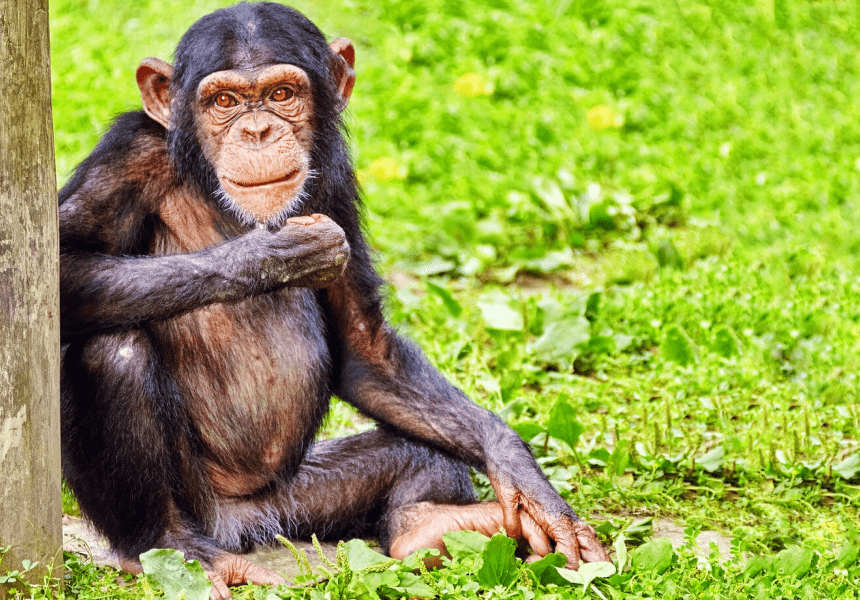
It’s the limbic system that all mammals have in common, including small structures you’ve heard of like the amygdala, hippocampus, and pituitary. Animals can’t talk, so our mammal brain can’t tell you in words why it turned on a chemical. When you talk to yourself, it’s all in your human cortex. It’s shocking to learn that our cortex lacks insider information on why your mammal brain released a chemical. That’s why our emotions have been a mystery to us since the beginning of time. Early humans saw their emotions as direct messages from the gods. We are lucky to live in a time when our biology is better understood. Here’s a 2-minute video on this.
How does our mammal brain define “meeting needs”?
For most of human history, physical needs were hard to meet so your energy was spent on mere survival. Finding food and firewood makes you happy when you’re hungry and cold. Today, social needs play a bigger role because the brain habituates to rewards it already has. It takes a NEW way to meet needs to spark happy chemicals. This is why new social rewards feel so good, but small social setbacks feel like survival threats. It’s not easy being a big-brained mammal! Find out what sparks your dopamine, serotonin, oxytocin, and endorphin on this website, and from our free 5-Day Happy Chemical Jumpstart.
How can we rewire our happy chemicals?
Your dopamine, serotonin, oxytocin, and endorphin were wired by your early experience. Neurons connect when your chemicals turn on, wiring you to find things that made you feel good before and avoid things that made you feel bad before. The biggest neural pathways build in youth when our brain has a lot of myelin, which is like the paving on our neural pathways. We use our myelinated pathways for life because they’re so efficient, allowing the electricity in your brain to flow a hundred times faster. It’s hard to believe this because we don’t consciously remember these experiences when our chemicals turn on. To change these pathways later on, we have to repeat a new choice over and over. It’s harder than you expect, so we need to design exit ramps from an old pathways. Then we have to reward ourselves for repeating the new choice over and over. How to do this is explained in my book The Science of Positivity: Stop Negative Thought Patterns By Changing Your Brain Chemistry
How can we improve our mental health?
Today’s culture tells us that happiness is natural and “something has gone wrong.” We’re trained to find “disorders” and blame “our society” for unhappiness. We think others feel good easily, and we can get that from “treatment.” The truth is that the human brain goes negative quite easily. We’re born crying and our cortisol keeps surging until we build the skill of managing it. Happiness is a learned skill. If you didn’t learn yesterday, you can learn today. But it takes work, just like athletic skill, music skill or foreign-language skill. You only do the work when you understand why it’s necessary. You don’t do the work if you expect to get fixed by something outside you. This free video series explains your power over your brain: YouHavePowerOverYour Brain.com.
What causes depression and anxiety?
Cortisol causes bad feelings. It’s the brain’s warning to pull back from a threat just like happy chemicals are the brain’s signal to push forward toward a reward. Avoiding threats is more urgent than getting a reward, so that’s our brain’s top priority. But we define “threats” and “rewards” with neural pathways built from past experience. This is why we’re so quick to feel bad in settings that sparked cortisol in our past. And it’s why we rush toward rewards that sparked dopamine in our past, even when we’d rather not. You can change an old cortisol pathway by designing a positive expectation to replace a negative expectation. The positive thought must be rooted in a step forward that you can take. Repeat the new thought for 45 days and it becomes your new normal.
How can an addiction be replaced with a new habit?
An addiction is just a neural pathway paved by a good feeling in your past. Your brain expects the habit to feel good now because it felt good before. But nothing feels as good as it did the first time because dopamine habituates to rewards you already have. So you do more of the habit in hopes of getting more do You can stop the habit by giving your brain a new way to feel good. Nothing will give you the dopamine surge that a young brain gets from new adventures, but repetition can build a HEALTHY dopamine pathway. For example, if you turn on 10 minutes of comedy every time you want to feel good, your brain will look for comedy the next time you feel bad. Get the facts about habit building in this free pdf, WHY YOU CAN’T STOP.
How can we help children be happier?
Happy chemicals are released when you step toward meeting a need. We can help children discover the good feelings that are released when they take action to meet their needs. The brain is always learning from rewards, so we can reward children for behaviors we want to wire. This may sound obvious, but we often reward undesired behavior without consciously noticing. Bad behavior as a need for a hug, and the hug reinforces the bad behavior. Meanwhile, modern culture says that rewards are bad, so good behavior often goes unrewarded. The wiring built by in childhood lasts for life because a young brain has a lot of myelin, the road-building material of our neural networks. We can help young people get wired to feel good when they do things that are good for them by consciously designing our reward structure.